Does EMF Shielding Clothing Actually Work?

It’s a fair question, and it’s the first thing a reasonable person should ask before spending $78 on a pair of boxer briefs or $148 on a t-shirt. The honest answer is more nuanced than either the true believers or the dismissers would have you think. So let me walk through what the science actually says, what the testing actually measures, and what you should realistically expect from shielding clothing in everyday use.
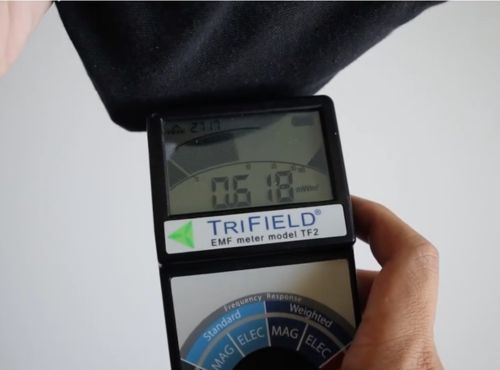
my Trifield TF2 EMF meter measuring my phone wrapped in HAVN Lambs boxers

The Physics Is Real

The starting point matters here: the underlying mechanism behind EMF shielding fabric is not pseudoscience. It’s the same principle Michael Faraday demonstrated in 1836, which is that a conductive mesh can block electromagnetic fields by redirecting them along the surface of the material rather than allowing them to pass through.

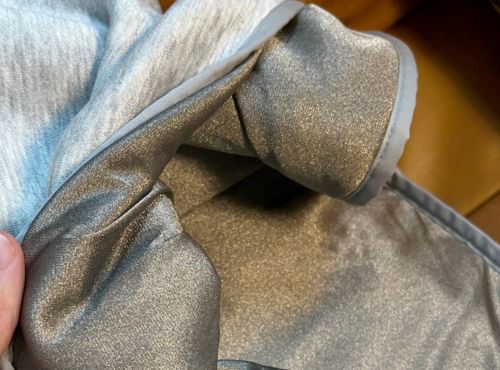
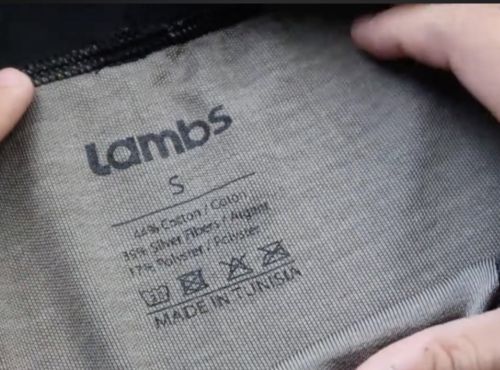
Modern shielding fabrics, including the silver fiber materials used in most reputable EMF clothing brands, work by weaving highly conductive metal fibers into a tight enough mesh that incoming electromagnetic waves can’t pass through the gaps. The physics is well understood, the same principle is used in military shielding enclosures and Faraday bags, and it’s been applied to textiles for decades in industrial and medical contexts before it made its way into consumer clothing.
HAVN WaveStopper fabric

So the question isn’t whether shielding fabric can block EMF. Under the right conditions, it demonstrably can. The more useful questions are how well it works on a human body in real-world conditions, and whether that’s enough to make a meaningful difference in your daily exposure.

What the Lab Certifications Actually Measure

Most reputable EMF shielding clothing brands publish lab certification data showing shielding effectiveness of 99% or higher. You’ll see figures like 99.7% cited frequently. Those numbers are real, but understanding what they actually measure is important before you decide how much weight to put on them.

Lab shielding tests are conducted on flat fabric panels in controlled electromagnetic environments. A signal is transmitted at a specific frequency, the fabric panel is placed between the source and a receiver, and the attenuation is measured. When a brand says their fabric blocks 99.7% of EMF, that’s what they’re describing: the performance of a flat, unbroken panel of their material under controlled test conditions.

Reputable brands test to established standards. The IEEE-299 standard and EN 62209-2 are the benchmarks most serious EMF clothing brands reference, and they’re the same standards used for industrial and military shielding applications. If a brand can’t tell you which standard their fabric was tested to, that’s a reason to be skeptical.

The Gap Between Lab and Real Life

Here’s where things get more complicated, and where I think a lot of EMF clothing marketing quietly oversells the product.

A garment on a human body is not a flat fabric panel in a lab. It has openings at the neck, cuffs, waistband, and hem. It moves around as you move. It doesn’t make uniform contact with your skin. And unlike a sealed Faraday enclosure, it can’t create a complete electromagnetic barrier around the area it’s covering.

EMF, particularly RF radiation from sources like Wi-Fi routers and cell phones, can and will enter through those gaps. How much enters depends on the size of the gap relative to the wavelength of the signal, the angle of exposure, and how well the garment fits the body in that area.

This is why headwear tends to perform better in real-world conditions than shirts do. A fitted cap or beanie makes close contact with the head all the way around, leaving smaller and fewer gaps than a shirt hanging off a torso. The closer the fit, the more the real-world performance approaches the lab figure.

None of this means the clothing doesn’t work. It means the 99.7% figure describes the fabric, not the garment, and your real-world reduction will be lower than that. How much lower depends on the specific product and how you’re wearing it.

What My Meter Testing Showed

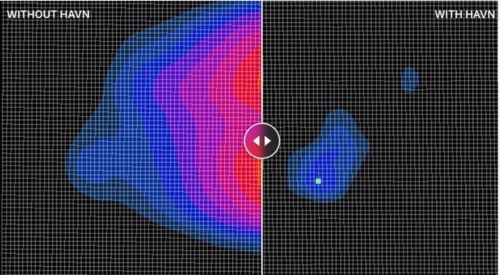
I’ve tested several pieces of EMF shielding clothing by HAVN with my Trifield TF2 and GQ EMF-390, and the full results are in my HAVN wear review. In every case I measured a meaningful reduction in RF levels when the fabric was between the source and the meter.

my Trifield TF2 EMF meter measuring my phone wrapped in HAVN Lambs boxers

The headwear performed most consistently in real-world use because a fitted cap or beanie sits close against the head with minimal gaps, whereas a shirt has more open pathways at the neck, cuffs, and hem where RF can still reach your body.

The key word throughout is reduction, not elimination. If you go into shielding clothing expecting your meter to drop to zero when you put on a t-shirt, you’ll be disappointed. If you go in expecting a meaningful reduction in the RF reaching the areas the garment covers, that’s what the testing shows.

I’ll be publishing specific before and after readings for each product as I work through more controlled tests. For now, the directional conclusion from my testing is clear: the shielding effect is real and measurable, and the better the fit, the more consistent the reduction.

The Honest Limitations

There are a few things shielding clothing genuinely can’t do that are worth being clear about.

It only protects the areas it covers. RF from a phone in your trouser pocket reaches your legs regardless of what shirt you’re wearing. RF coming in from below a shirt hem, through the neckline, or from behind you at an angle still reaches your body. The fabric blocks what passes through it, not what comes in around it. This is why the blanket works so well for laptop use, it sits flat and covers completely in a way a shirt simply can’t.

It can’t compensate for high ambient RF environments on its own. If you’re in a room with multiple routers and devices, EMF is coming from multiple directions simultaneously. Shielding clothing reduces what reaches the areas it covers, but it’s not a whole-body solution. It works best as one layer in a broader reduction approach, not a standalone fix.

It also can’t address magnetic fields from power lines or household wiring the way it addresses RF. The silver fiber mesh in most EMF clothing is designed primarily to attenuate radiofrequency radiation. Low-frequency magnetic fields from electrical sources require much denser and heavier shielding materials than you’d find in wearable fabric.

So Does It Work?

Yes, with the right expectations attached to that answer.

The fabric blocks EMF in a way that is physically grounded, independently tested, and measurable on a quality meter. The real-world reduction you’ll experience wearing a garment is meaningful but lower than the lab certification figure, because a garment on a body isn’t a sealed enclosure. The closer the fit, the more consistent the shielding. The headwear performs most reliably for this reason.

Where shielding clothing makes the most sense is for specific, sustained, close-proximity exposure situations you can’t otherwise control. Phone in your front pocket all day. Laptop on your lap for hours at a time. Long periods in high-RF environments you can’t change. For those situations, a well-made silver fiber garment from a brand that publishes independent certification data will produce a real reduction in the RF reaching your body.

Where it makes less sense is as a first step before you’ve addressed the bigger variables in your environment. Reducing the RF from your router, moving devices away from your sleeping area, and turning off WiFi at night will produce larger measurable reductions than any piece of clothing. Shielding clothing layers on top of those changes. It doesn’t replace them.

Frequently Asked Questions

These are the questions I get most often on this topic.

Does the shielding degrade over time or after washing?

It can, if you don’t follow the care instructions. High heat and harsh detergents can damage the silver fibers and reduce shielding effectiveness over time. Most reputable brands recommend cold wash and hang dry or low heat tumble dry. Follow those instructions and the shielding should hold up through regular use.

Can I test whether my EMF shielding clothing is actually working?

Yes, and I’d encourage you to. Put your meter in RF mode, take a reading near a consistent source like your Wi-Fi router, then hold the fabric between the meter and the source and take another reading. You should see a clear drop. If you don’t see any change at all, either the meter isn’t sensitive enough to RF or the fabric isn’t performing as advertised.

Are cheaper EMF clothing brands as effective as expensive ones?

Not always. The key differentiator is whether the brand publishes independent lab certification to a recognized standard like IEEE-299. Some budget brands make shielding claims without any published test data. The silver content of the fabric also matters: higher silver fiber percentages generally produce better shielding, and higher silver content costs more to manufacture. If a price seems too good to be true for a product claiming high shielding effectiveness, look for the certification data before buying.

Does shielding clothing block all types of EMF?

No. Silver fiber fabric is designed primarily to attenuate radiofrequency radiation. It has limited effectiveness against low-frequency magnetic fields from power lines and household wiring, which require much denser conductive materials to block. If magnetic fields are your primary concern, shielding fabric isn’t the right tool.

Is there any downside to wearing EMF shielding clothing?

Not in terms of safety. Reputable brands use OEKO-TEX certified materials, meaning the fabric has been tested to be free from harmful substances. The silver fibers are natural and the same antimicrobial properties that make silver useful for shielding also make the fabric naturally odor resistant. The main downside is cost, and the importance of following care instructions to preserve the shielding over time.
Leave a Comment

HAVN Wear Review: My Honest Take After Testing the Full Line

I own a lot of HAVN products. The boxer briefs, the baseball cap, the beanie, t-shirts, joggers, and the blanket. My wife has her own pieces and keeps reaching for them without me prompting her, which is probably the most honest endorsement I can offer.

Affiliate disclosure: Some links here are affiliate links. If you buy through them I may earn a small commission at no extra cost to you.

My Verdict

The WaveStopper fabric verifiably blocks RF signals. I confirmed this with my own meter and a simple phone-wrap test. Real-world shielding is lower than the lab’s 99.7% figure because garments have openings at the neck, cuffs, and hem, but the reduction is meaningful and measurable. Shop HAVN Wear · Free shipping over $200 · 30-day returns · HSA/FSA eligible

The clothes are comfortable enough that my wife wears them without any prompting from me. They’re expensive, but if reducing daily EMF exposure matters to you, this is the most practical way to do it.

My number one recommendation: Start with the boxer briefs. Specific use case, close body fit for maximum shielding, and you’re wearing underwear anyway.

Which HAVN Product Should You Buy First?

Boxer Briefs (Top Pick) Best for phone-in-pocket carriers, fertility-conscious men, and laptop users.

Baseball Cap Best for daily wear, outdoor use, and year-round head shielding.

Beanie (Best Value) Best for sleep use, cooler weather, and the lowest price entry point.

T-Shirt Best for all-day torso protection and remote workers.

Joggers Best as a companion to the boxers for full lower body coverage.

Blanket Best for couch and laptop use. Try a smaller piece first before committing.

Why the Physics Behind HAVN Actually Holds Up

HAVN by Lambs makes EMF shielding clothing using their WaveStopper fabric, a conductive mesh woven from pure silver fibers. The silver content varies by product but runs from around 32% in the boxers up to 40% or more in some items. Silver is highly conductive, and when woven tightly enough it creates what is essentially a wearable Faraday cage. Electromagnetic waves hit the conductive mesh and get redirected rather than passing through to your body.

This is not pseudoscience. It’s the same principle behind Faraday bags and military shielding enclosures, understood since Michael Faraday demonstrated it in the 1830s. The question for any shielding garment is whether the specific product executes it well enough to produce a meaningful real-world reduction.

HAVN’s WaveStopper fabric is tested and certified using IEEE-299 and EN 62209-2 standards, the same standards used for military-grade shielding, with third-party labs verifying the blocking effectiveness. That puts them in a different category from cheaper EMF clothing brands that make shielding claims without publishing any certification data.

One thing worth understanding before we get into specific products: lab certification figures like 99.7% are measured on flat fabric panels in controlled conditions. What varies in real-world use is how well the garment stays close to your body. A fitted cap leaves fewer gaps than a shirt hanging off a torso, which is why headwear tends to shield more consistently when you’re actually wearing it.

The 99.7% figure describes the fabric, not the garment, and your real-world reduction will be lower than that. That doesn’t make the products ineffective. It means you should understand what you’re buying and why, which is exactly what this review is here for.

The Boxer Briefs

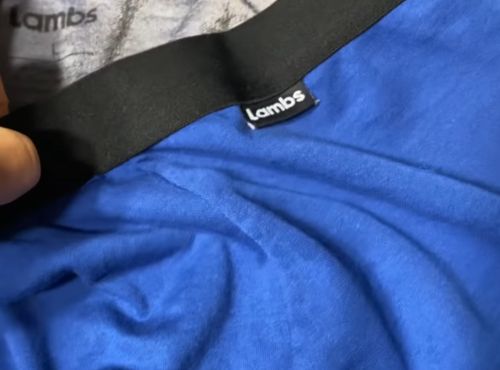
This was my first HAVN purchase. The use case is straightforward: most men carry their phone in their front pocket for hours every day, putting an RF source in close proximity to sensitive tissue on a sustained basis. A 2024 systematic review on RF-EMF exposure and decreased pregnancy rates and sperm count found the associations worth taking seriously even given the limitations of the existing research. Reducing that specific daily exposure seemed like a simple and reasonable thing to do.

The fit is good. They’re noticeably denser than standard cotton boxers because of the silver fiber content, but after the first wear you stop noticing the weight. Comfort is genuinely not an issue. The antimicrobial properties of the silver are real and noticeable. They stay fresher longer than regular cotton, which matters for something you’re wearing all day.

On the meter, holding the fabric between my phone and the TF2 showed a meaningful and visible reduction of about half. The result was clear on both meters.

These are the product I’d recommend first to anyone new to HAVN. The use case is specific, the exposure scenario is real, and the shielding works well given how closely the garment fits the body.

What I like:

  • Close fit gives you the best real-world shielding of any HAVN product
  • Comfortable for all-day wear
  • Antimicrobial silver keeps them fresher longer
  • Specific, research-backed use case
  • You’re wearing underwear anyway, might as well make it count

Worth knowing:

  • These are expensive underwear
  • Silver requires care when washing: cold water, gentle cycle, no bleach, no fabric softener

My take: The strongest product in the lineup for real-world shielding. If you carry your phone in your pocket, this is where to start.

Shop HAVN Boxer Briefs

The Baseball Cap and Beanie

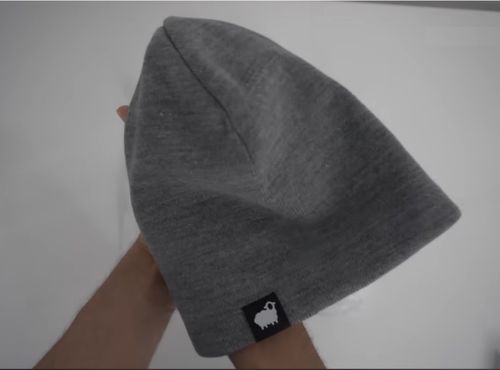
I wear the baseball cap regularly when I’m out and about. The beanie gets more use in cooler weather and when I want something comfortable to wear around the house in the evening. Both fit like normal headwear and nobody has ever commented on anything unusual about them.

The WaveStopper beanie features an inner 360-degree silver lining certified to block 99.7% of EMF including cell phone radiation, 4G, 5G, Wi-Fi, and Bluetooth. The cap uses the same construction. On the meter, holding the fabric between the TF2 and an RF source showed a clear reduction, and the headwear performed most consistently in real-world use because a fitted cap or beanie sits close against the head with minimal gaps.

If you’re deciding where to start with HAVN, the headwear is my first recommendation over the shirts. The fit is closer to the body, the shielding is more consistent in everyday use, and the price point is lower.

What I like:

  • Most consistent real-world shielding of any product category
  • Looks like normal headwear
  • The beanie doubles as a sleep cap for overnight head shielding at the lowest price point

Worth knowing:

  • Beanie runs warm after extended wear since silver reflects heat as well as EMF. Fine in winter, may be too warm in summer
  • One-size fit may feel loose on smaller heads
  • Some users report HAVN headwear triggers TSA body scanners due to the silver content, worth considering if you fly frequently

My take: The most consistent performer in real-world use and the easiest product to incorporate into a normal daily routine. The beanie is the best value entry point in the entire lineup.

Shop HAVN Headwear

The T-Shirts

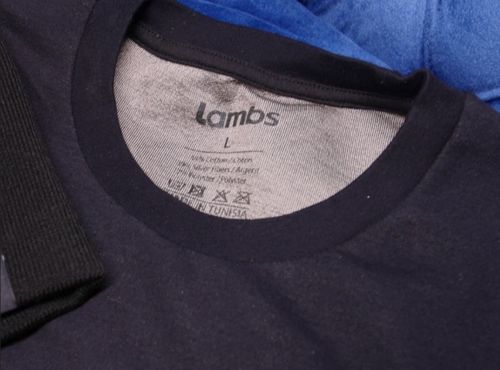
I own a couple of HAVN t-shirts and wear them on days when I’m spending extended time near devices or working with a laptop. The fabric is 63% cotton, 32% pure silver fibers, and 5% polyester, covering the full torso including the chest, stomach, and back.

The feel is softer than you’d expect given the silver content. They look and wear like normal t-shirts and nobody has noticed anything unusual about them.

The shirts are where the gap issue matters most in real-world use. RF can enter from the neckline, cuffs, and hem in a way it can’t with a fitted hat. The lab certification reflects what the fabric blocks, not what the shirt blocks as a complete garment on a person in a Wi-Fi environment. That’s not a reason not to buy them. It’s context for setting your expectations correctly. The meter showed a clear reduction when testing fabric against an RF source. The shirts feel good, hold up well to cold wash and hang dry, and I keep reaching for them on long work-from-home days.

What I like:

  • All-day torso coverage
  • Comfortable enough for genuine daily wear
  • Good for work-from-home setups where you’re surrounded by devices

Worth knowing:

  • More gaps in the garment mean lower effective shielding than close-fitting products like the boxers or headwear
  • Higher price point than the headwear

My take: A solid choice for long work-from-home days. Just go in with realistic expectations about what a shirt can shield versus what a fitted cap can.

Shop HAVN T-Shirts

The Joggers

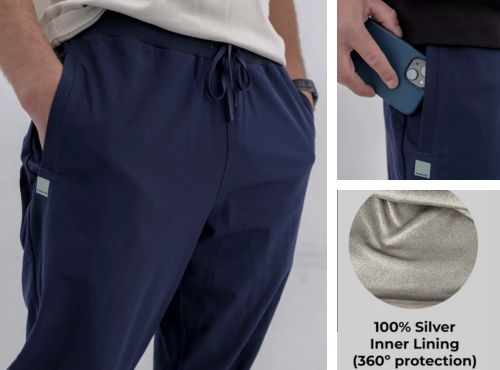
The joggers extend the coverage that the boxers start. If you’re spending long stretches working from home, sitting with a laptop, or want lower body coverage during the day, they make sense as a companion to the rest of the line.

Comfort-wise these are genuinely good joggers independent of any EMF consideration. The fabric is soft, the fit is relaxed without being sloppy, and the silver content means they stay fresh longer during extended wear. The meter showed a meaningful reduction when testing the fabric, consistent with the rest of the line.

What I like:

  • Extends lower body coverage beyond the boxers
  • Genuinely comfortable as everyday joggers
  • Silver keeps them fresh during long wear

Worth knowing:

  • Same gap limitations as the t-shirts
  • Less essential than the boxers or headwear if you’re choosing where to start

My take: Worth it if you’re already wearing the boxers and want to extend your coverage. Not where I’d start if you’re new to HAVN.

Shop HAVN Joggers

The Blanket

The blanket is one of the most expensive items in the HAVN lineup and the one where I think the shielding physics works most reliably in everyday use. The WaveStopper blanket features fabric with over 40% pure silver and is certified to block over 99.7% of EMF including signals from cell phones, 4G, 5G, Wi-Fi, and Bluetooth.

Here’s why the blanket outperforms the clothing from a pure shielding standpoint: when you drape it over your lap with a laptop on top, you’re creating a physical barrier between the device and your body that doesn’t have the gap limitations of a fitted garment. The blanket sits flat, covers completely, and the device is on the outside. That’s a more controlled shielding scenario than wearing a shirt in a room full of Wi-Fi.

I use it most when I’m working with my laptop on the couch. My wife uses it too without any prompting from me, which I take as a reliable signal that the comfort holds up independently of any EMF motivation.

It’s a significant purchase. I’d suggest trying a smaller HAVN piece first so you understand the fabric quality before committing to the blanket.

What I like:

  • Best shielding physics of any product in the lineup due to flat coverage with no gaps
  • Genuinely comfortable
  • Great for the specific laptop-on-lap scenario

Worth knowing:

  • Most expensive single item in the lineup
  • Try a beanie or boxer briefs first to evaluate the fabric quality before committing

My take: The best shielding physics of anything in the lineup, but a significant investment. Earn your way here after you’ve tried a smaller piece.

Shop HAVN Blanket

Is HAVN Worth the Price?

Here’s how the math works out when you think about cost per wear.

The boxer briefs at roughly $58, worn twice a week for a year, come out to about $0.56 per wear. The baseball cap at around $52, worn four times a week, works out to $0.25 per wear. The beanie at $48 used nightly for sleep drops to $0.13 per use. Compare that to a standalone Faraday phone pouch at $30 to $50 that only protects when your phone is sealed inside it and completely unreachable.

These aren’t impulse purchases. But when you break down the per-wear cost, the math is reasonable, especially for the headwear and boxers where you get the best shielding per dollar. The products I’ve tested have held up through regular washing with no degradation in fabric quality or shielding performance so far.

One more thing a lot of people don’t know: HAVN products are HSA/FSA eligible. You can use pre-tax health spending funds, which effectively reduces the price by whatever your tax bracket is.

What to Expect When Ordering

I want to be upfront here. HAVN’s Trustpilot reviews include some complaints about shipping delays and customer service response times. My own order arrived without issues, but it’s worth setting your expectations. Some items go on backorder periodically. If you need something by a certain date, order well ahead.

Their return policy is 30 days from delivery. If you do run into a shipping issue, email hello@havnwear.com and follow up if you don’t hear back within a few days. The complaints that got resolved were the ones where customers stayed persistent.

What I’d Push Back On

A few things HAVN says that deserve honest scrutiny.

The customer reviews claiming immediate elimination of brain fog, dizziness, and headaches within minutes of putting on a product are not something I’d take at face value. Placebo effects are real and well-documented, and the mechanism by which an EMF shielding garment would resolve dizziness within minutes isn’t supported by anything in the research. I’m not saying those customers aren’t experiencing something. I’m saying the attribution is worth questioning.

HAVN also uses language like “radiation-proof” in their marketing, which overstates what any garment can do in real-world conditions. The fabric is independently certified and my own meter testing confirmed real reductions. The specific health outcome claims go further than the evidence supports. I’d rather you buy these products knowing exactly what they do and don’t do than buy them based on marketing language and feel let down.

Who This Is For

If you carry your phone in your front pocket all day and you’ve looked at the fertility research and decided you want to reduce that specific daily exposure, start with the boxers. The physics is sound, my meter testing confirmed a meaningful reduction, and they’re genuinely comfortable.

If you want to start with something you’ll reach for every day regardless of season, the cap is a natural first purchase. It’s the most consistent performer in real-world use and the easiest to incorporate into a normal routine.

If you work long hours with a laptop and want to reduce torso exposure during the day, the shirts and joggers make sense as part of a broader reduction strategy. The blanket is worth it if laptop use on the couch is a regular part of your day.

If you’re brand new to EMF reduction and wondering whether to start here, my honest answer is no. Start by measuring your home, moving your router further from where you sleep, and turning off Wi-Fi at night. Those steps are free and produce measurable results. HAVN products make the most sense layered on top of that foundation, not as a substitute for it.

Frequently Asked Questions

These are the questions I get asked most often about HAVN. If something isn’t covered here, drop it in the comments.

Does EMF shielding clothing actually work?

The fabric produces a measurable reduction on an EMF meter, which I’ve confirmed personally across multiple products. Real-world effectiveness on a human body is lower than the lab certification figures because garments aren’t sealed enclosures. The effect is real. The 99.7% figure is a lab measurement on flat fabric, not a guarantee of what you’ll experience wearing a shirt in a Wi-Fi environment.

Is HAVN the same as Lambs?

Yes. HAVN was formerly known as Lambs and rebranded. The products and WaveStopper technology are the same.

Which product should I buy first?

The boxer briefs. They address a specific, research-backed exposure scenario, they fit closely for maximum real-world shielding, and you’re wearing underwear anyway. If headwear is more relevant to you, the beanie offers the best value.

Can you wash HAVN products?

Yes, with care. Cold wash and hang dry or low tumble dry is what HAVN recommends and what I follow. I haven’t noticed any degradation in the fabric after regular washing on those settings.

Will HAVN products set off TSA scanners?

Possibly. Some users on Trustpilot report getting flagged by body scanners at airports due to the silver content. If you fly frequently, factor this in.

Can I use HSA/FSA funds to buy HAVN?

Yes. HAVN products are HSA/FSA eligible, which lets you pay with pre-tax health spending dollars and effectively lowers the cost.

What’s HAVN’s return policy?

30 days from delivery for a full refund if you’re not satisfied.

Do I need shielding clothing if I’ve already reduced my home EMF?

Not necessarily. If you’ve addressed your router, reduced bedroom exposure, and aren’t carrying your phone in your pocket for hours a day, the marginal benefit is smaller. Shielding clothing makes the most sense for specific sustained exposure situations you can’t otherwise control.

A Brand I Keep Buying From

I’ve tested a lot of EMF protection products. Some made a real difference. Some were a complete waste of money. HAVN sits firmly in the first category. The fabric is independently certified, the shielding mechanism is physically grounded, the quality is consistent across everything I own, and my meters confirmed meaningful reductions across the products I tested.

Take the more dramatic marketing language with some skepticism, and understand that real-world garment performance is always lower than a lab measurement on flat fabric. Buy these products for what they genuinely do: reduce your EMF exposure in a measurable way. That’s what I keep coming back for.

Shop HAVN Wear · Free shipping over $200 · 30-day money-back guarantee

Leave a Comment